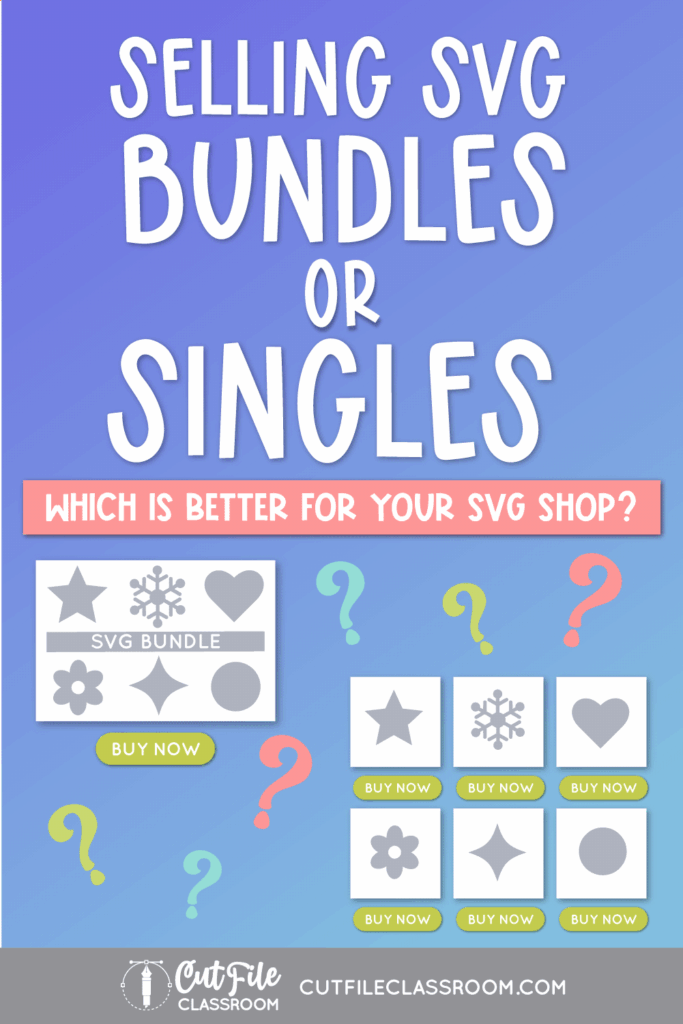
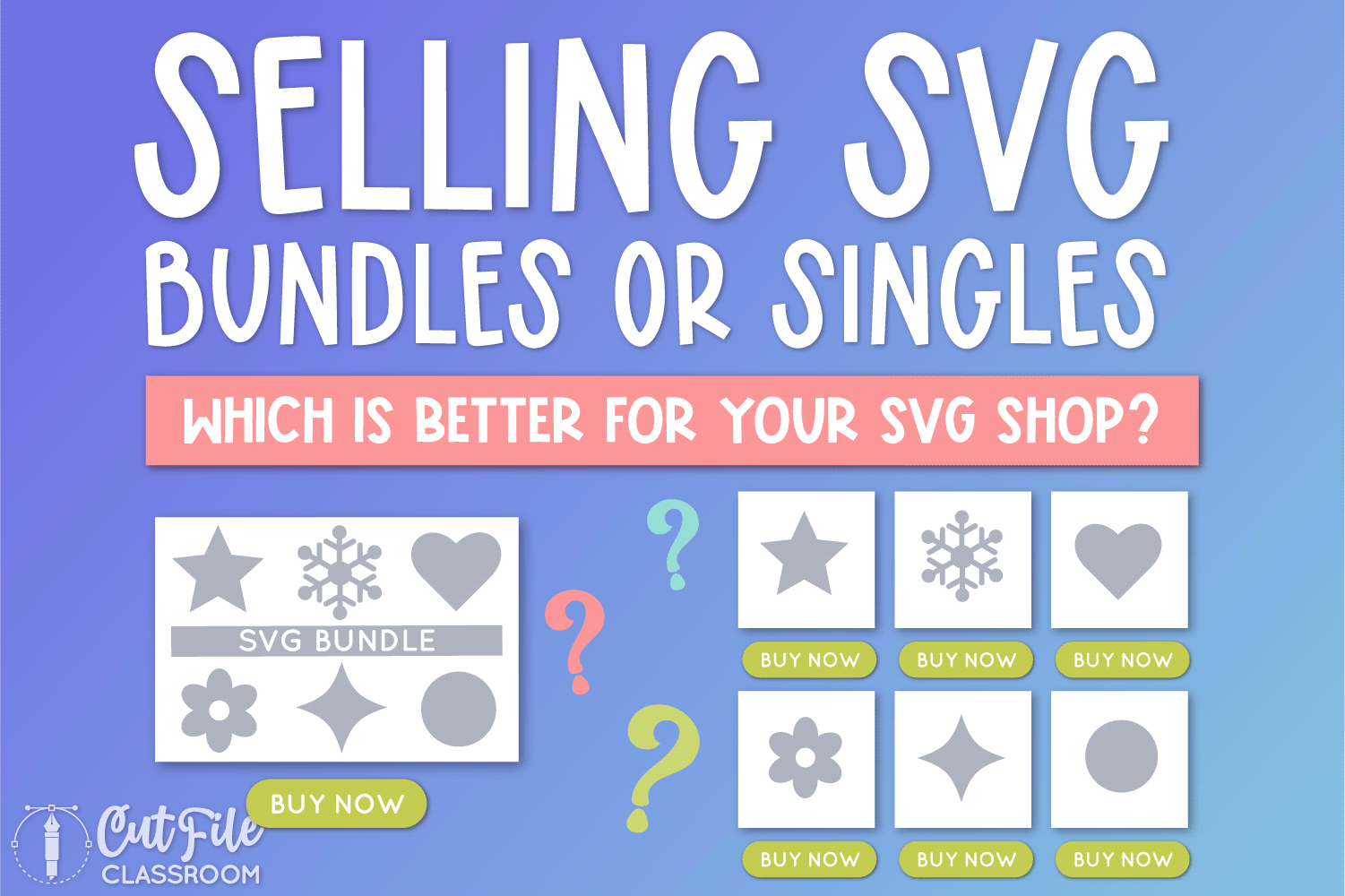
Is it better to sell SVG bundles or singles in your design shop? This is a question I see SVG sellers ask time and time again, and with good reason. Whether you’re building your shop or trying to maximize sales, you want to know where your time and effort will be better spent.
The answer is really quite simple: you don’t have to choose! Both singles and bundles have an important role to play in a healthy SVG business, and understanding why might just change the way you approach your design process.
Let’s look at the benefits of selling SVG Bundles or Singles, and then see how mixing both can actually be your shop’s secret weapon for more sales.
Why Should You Sell SVG Singles?
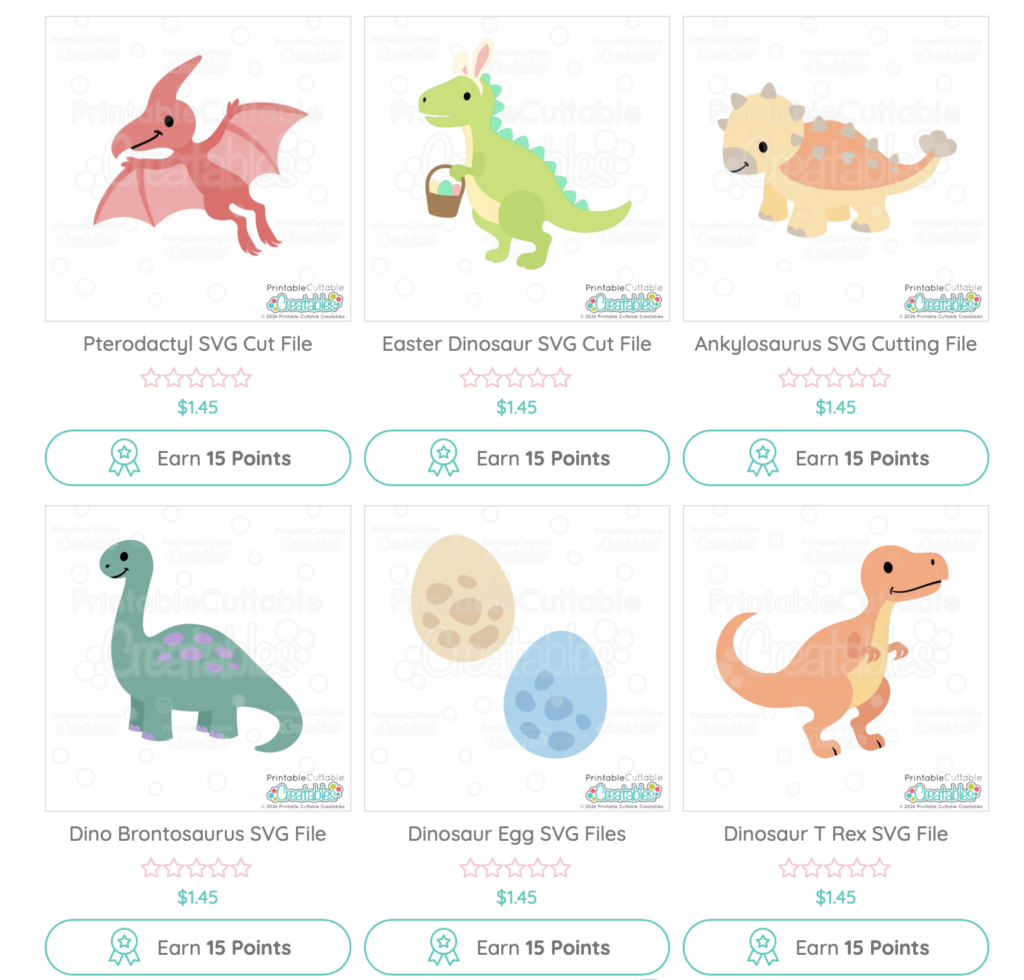
Selling SVGs as “Singles” simply means selling one SVG design as its own individual listing: one design = one product in your shop. SVG Singles are the foundation of most successful SVG shops for several reasons, the first and most powerful of which is SEO.
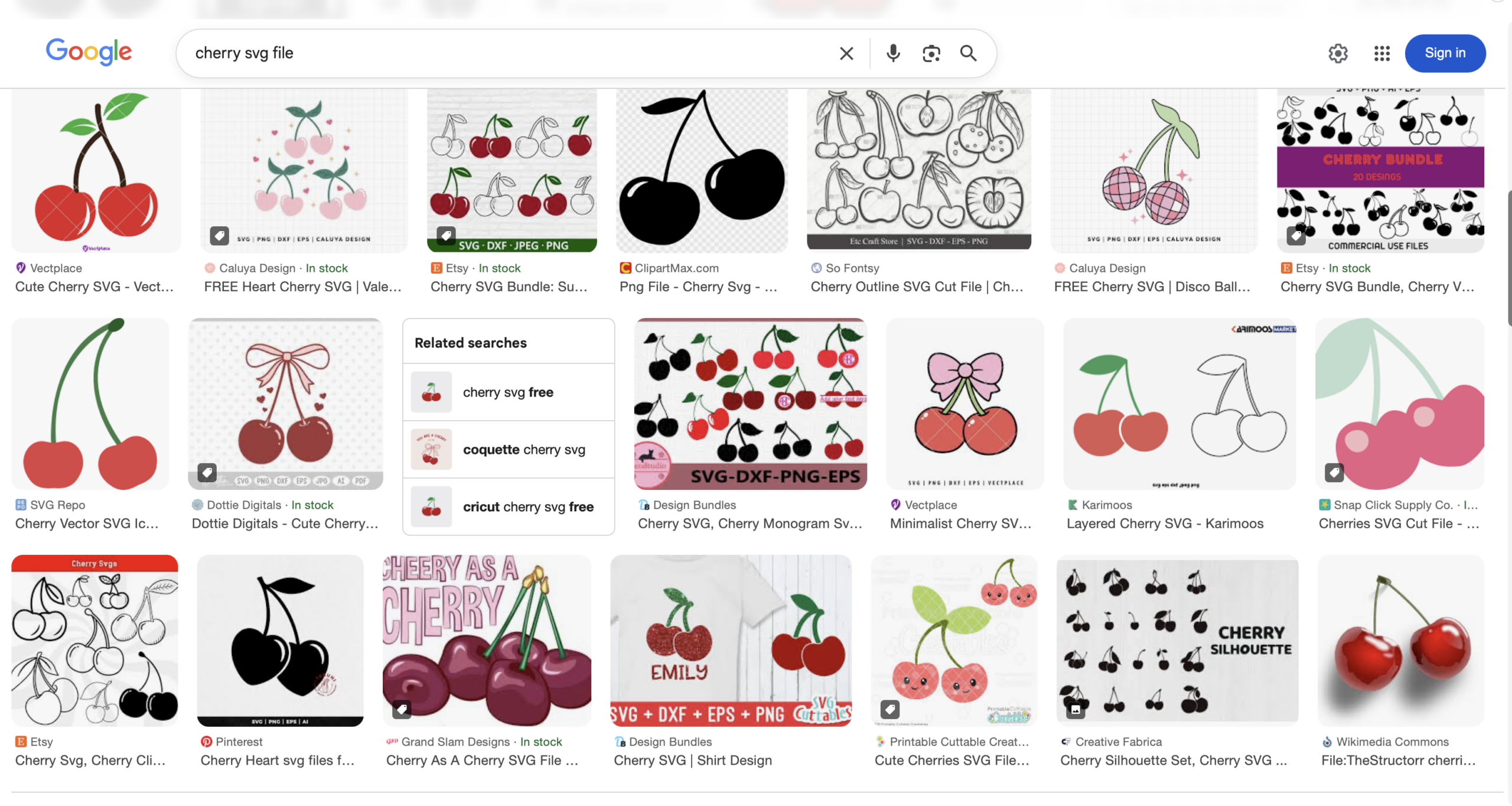
SEO (Search Engine Optimization) means tweaking certain parts of your product pages so Google and other search algorithms notice you, making it easier for people to find your product when they search online. Each individual SVG listing is its’ own searchable product – another opportunity to rank in searches for a specific keyword. When someone types “cherry SVG file” into Etsy or Google, they’re looking for one specific thing. A single, well-optimized listing has a better chance of showing up for that search over a bundle of mixed fruit designs.
Single listings are a powerful tool for getting found in searches. The more singles you have, the more search terms you can show up for! Filling your shop with designs across a variety of themes gives you the chance to appear in a multitude of searches all year long, not just during peak buying seasons.
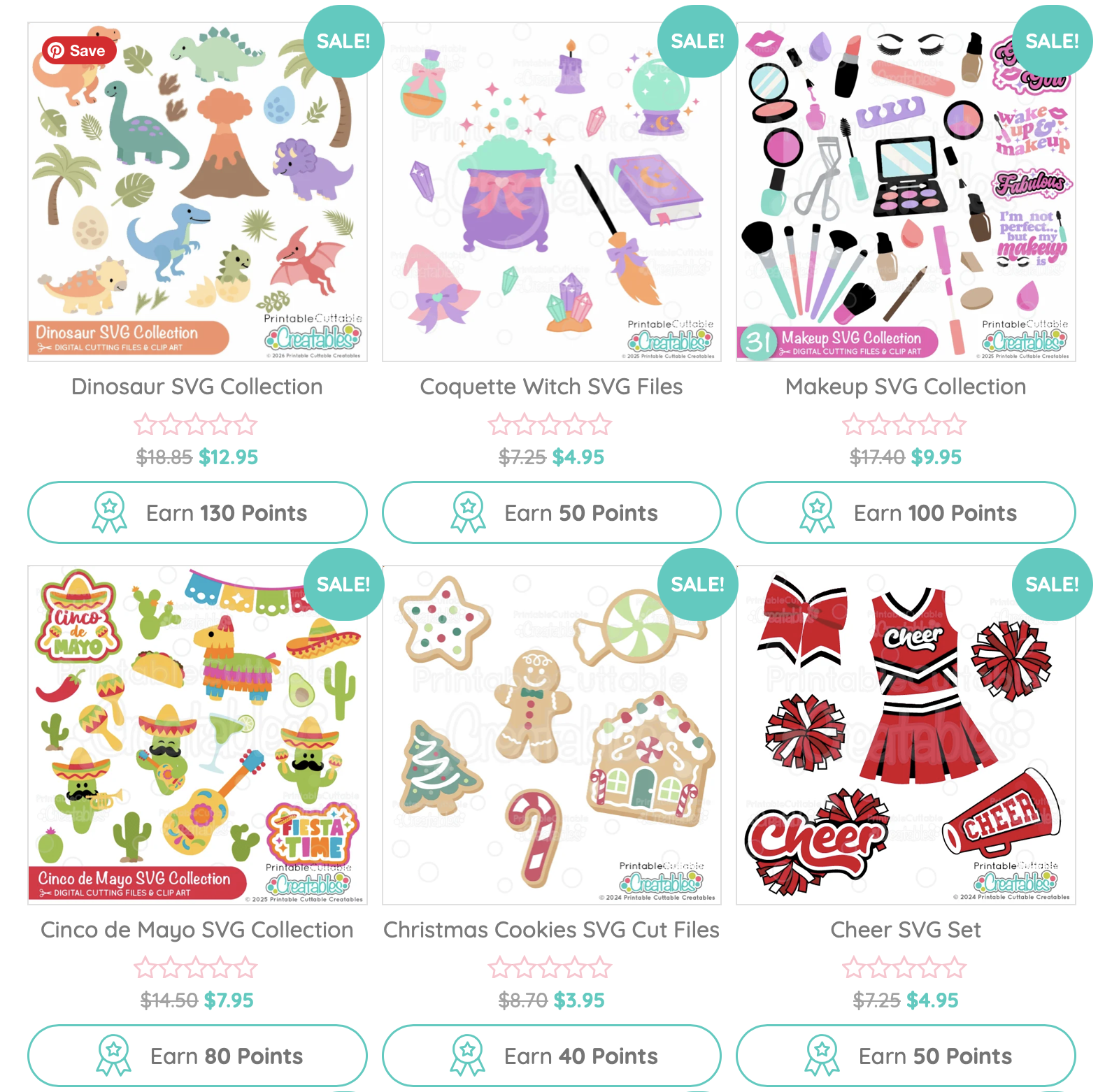
Not only is a higher volume of single SVG designs important for increasing your search rankings, it also makes your shop appear active and established to visitors. If someone lands on your shop and only sees a handful of listings, it looks like your shop isn’t very active. A shop that is filled with a variety of singles and bundles makes your shop feel more legitimate, and adds to the trust factor.
I also like to think of selling single SVGs as an “a la carte” option for customers. If someone is looking for a specific design, a single listing can more readily meet that need without convincing them to spend more on a bundle filled with other designs they might not need or use. First-time buyers who’ve never purchased from you before are much more likely to spend a few dollars on one file they love than commit to a larger bundle from a seller they don’t know yet. Singles bring people in the door.
A word of advice here: don’t get discouraged if not all of your singles are big sellers. It’s perfectly normal (especially in bundle-emphasized marketplaces) for only a handful of singles to sell really well, while the rest only sell here and there.

Also keep in mind that customer bases vary greatly from one platform to another. A design that's quiet on one marketplace might be your best-seller somewhere else, which is why diversifying where you sell your SVG files isn’t something to sleep on.
Selling SVGs individually also gives you something really valuable: data. Singles allow you to test market trends and find out quickly which designs are working and which aren’t – and that information is gold when it’s time to curate a bundle, or plan what designs to focus on next.
Truth be told, building a shop with a high volume of designs does take time, especially when you’re focused on designing high quality cut files. But the good news is that marketplace algorithms and search engines love consistency. Designers who list regularly and build volume steadily over time are rewarded for it in their rankings. You don’t need to have 100 listings all at once. You just need to keep showing up.
Why Should You Sell SVG Bundles?
An SVG Bundle is a group or collection of multiple SVG designs, typically connected by a shared theme, and offered at a discounted price.
Bundled SVGs do something that individual SVGs can’t – they offer buyers a bargain and convenience while increasing your average order value (the amount someone spends per order). A bundle of 10 SVGs for $7 vs. one for $2-$3 is a no-brainer for a buyer who already loves your designs and trusts your work. Customers love bundles because they’re getting a deal, along with more designs to use in their crafting projects. Offering SVG bundles rewards your loyal customers while increasing the value of a single transaction – win-win!
A well-curated SVG Bundle also reduces decision fatigue for buyers. For customers who don’t want to hunt through singles to find coordinating designs for a project, a bundle does the curation work for them. Instead of trying to find several single designs that all work together for a cake topper or scrapbook layout, they can easily purchase a set of coordinating designs that fit the theme and have the same design style. That convenience is part of the value, separate from the discount.
Offering Bundles in your shop also has the benefit of increased perceived value of your work. A shop that offers thoughtfully grouped collections of designs shows buyers that you’re an established, experienced designer. It shows that you know how to curate a cohesive set, and that you understand what your customers actually need. That kind of credibility is hard to put a price on, but it absolutely influences buying decisions.
For your SVG business, bundles are also a practical way to sell designs that are underperforming. A file that gets a few sales on its own can perform much better when it’s grouped with related designs. For example, a palm tree design that might not be doing well as a single, can also be included in a dinosaur themed bundle, a vacation / travel themed bundle, and a tropical luau themed bundle; which gives that same design more chances of being sold.
The Best of Both Worlds
Sometimes SVG designers worry that selling SVG Bundles and Singles will cannibalize sales of one or the other. But as we’ve just covered, singles and bundles attract different types of buyers and serve different purposes in your shop. The truth is, a successful SVG business isn’t built on singles alone or bundles alone. It relies on both working together intentionally. Now let’s talk about how to make that happen.
Design with Intention
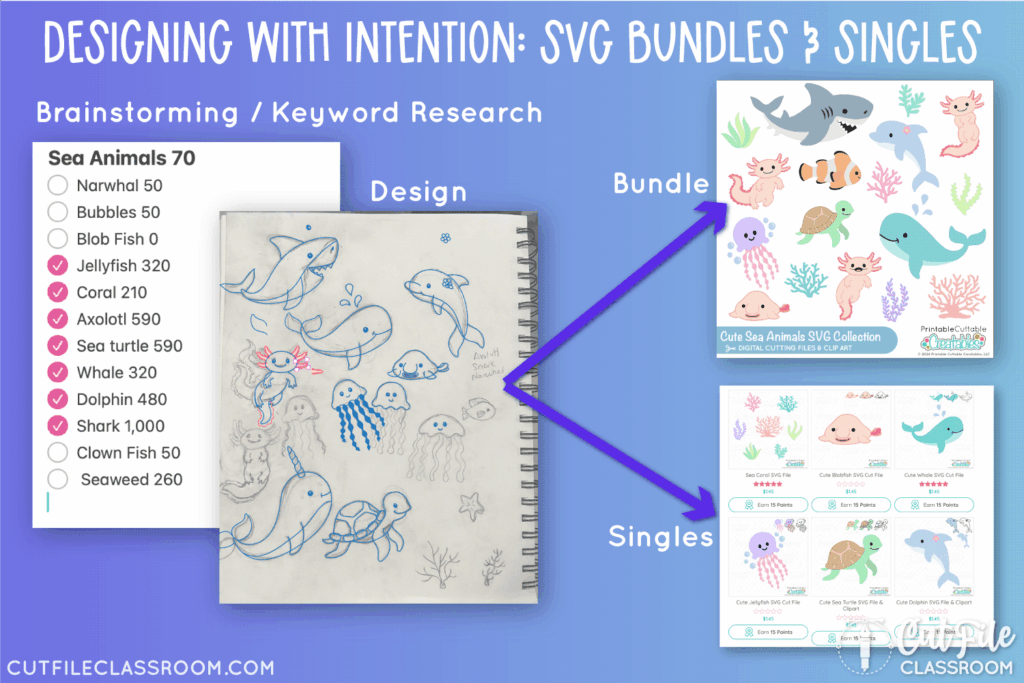
In my own design process, I usually start with a theme. From there I brainstorm a list of design ideas, sketch them out, and narrow down which ones work best together as a cohesive set. Once I’ve vectorized the designs and prepared them as cut files, I list each one as an individual design, and then bundle them together and release them as a collection at a discount.
Designing with a collection in mind from the start means all of the designs naturally share a color palette and style, making them easy to bundle and easy for customers to use together. It also gives me the opportunity to research keywords upfront so my singles cover a range of search terms from the start.
That said, there’s always room for one-off singles too. A quick emerging trend, a current event, or a last minute burst of inspiration doesn’t always fit neatly into a planned collection – and that’s okay! Having the flexibility to drop a few singles when the moment calls for it is one of the advantages of the hybrid approach.
Use What You’ve Got!
Even if you haven’t previously designed with bundles in mind, you might already be sitting on a shop of singles that can be combined into various bundles based on different themes. Look at what you already have – are there designs that share a theme, a style, or a season? Best-sellers, holiday designs, designs that share an audience or end-use can all be packaged into bundles without designing anything new.
In this way, selling SVG files as singles first actually sets you up well for bundles later. Every single you add to your shop is potentially part of a future bundle. The singles do the work of bringing in new buyers – along with data that tells you what’s worth bundling.
When to Launch
If you’re newer to selling SVG files, start by listing your single designs individually. Each single listing builds its own search presence, brings in buyers at a lower price point, and gives you real data on what’s resonating. Over time you’ll get a clear picture of which designs are worth bundling together. Once you have a collection of related singles, putting together a bundle becomes straightforward, without needing to design anything new. One design, multiple revenue opportunities.
If you already have an established audience who knows and trusts your work, consider releasing the full collection before listing the singles. Your existing customers are already primed to buy, and a well-presented bundle release can make a much bigger splash as a new collection “launch” than trickling out singles one at a time. Then you can list the singles afterward to capture search traffic and one-off buyers.
Regardless of which release approach you take, be sure to use your individual listings to link back to the full bundle for an easy upsell. This is how everything starts to work together!
Tips for SVG Selling Success
When planning out your shop listings, here’s a few strategical tips to help you plan our your designs and sell SVGs with success:
Start Simple
If you’re not sure where to begin, keep it simple. Pick one theme you’re interested in designing: a season, a holiday, a niche you know well, and brainstorm a list of designs that fit within it. Aim for 6-10 designs to start. That’s enough to create a meaningful bundle while giving you a solid set of singles to list individually.
Make Your Bundle Feel Like a Collection
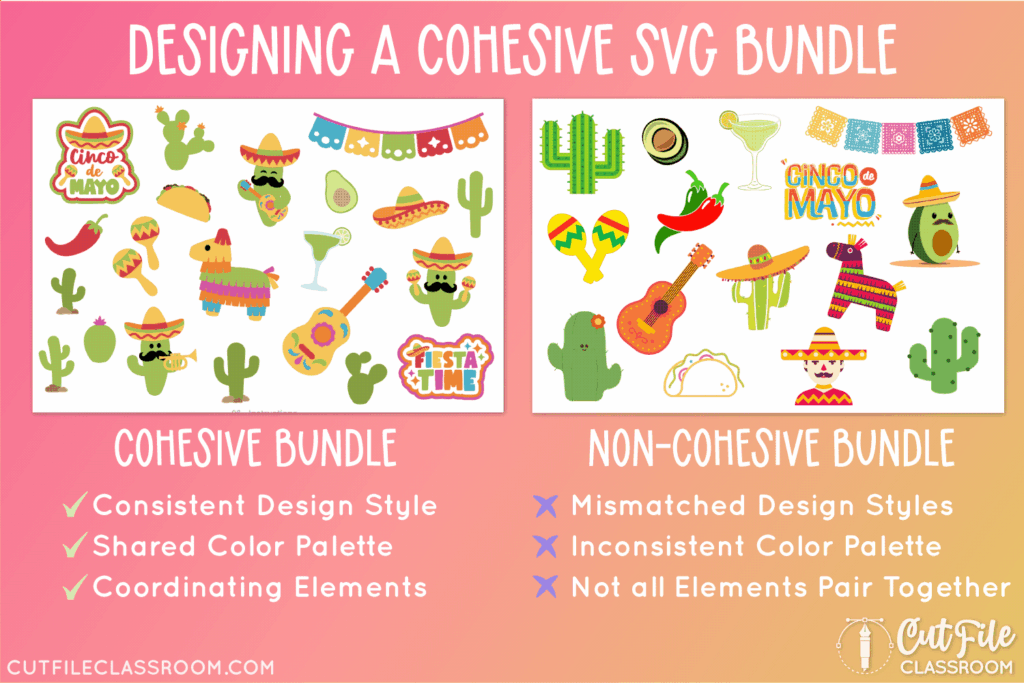
A cohesive collection isn’t just about grouping designs that share a theme – they should also feel like they belong together visually. That means keeping a consistent design style, using a shared color palette, and making sure the overall look and feel is unified across every design in the set. When customers land on your bundle listing and everything feels intentional and coordinated, it builds trust and makes the purchase decision easy.
On the flip side, a bundle of mismatched styles sends the wrong signal to buyers. At best it looks like you don’t understand how to curate a collection – at worst it raises a red flag that the designs weren’t all created by the same designer. In a market where trust matters, that’s not the impression you want to make.
Time it Right!
Seasonal and holiday bundles are some of the strongest performers in the crafting market, but timing is essential. Aim to release your seasonal designs at least 2-3 months before the event. Marketplace algorithms take time to index and rank new listings, and buyers start shopping for seasonal designs earlier than you might expect – especially those running a small handmade business. A Halloween bundle listed in August has a much better chance of gaining traction than one listed in October.
Pricing for Profit
Pricing SVG bundles is something that can trip up a lot of sellers, but it doesn’t need to be complicated. Here’s the simple approach that I use: price your bundle so the buyer saves somewhere between 20%-30% compared to buying the singles individually. Enough to feel like a great deal without undervaluing your work.
It’s also worth noting that many savvy crafters have caught on that mega bundles (hundreds of designs selling for $1-$2) are most likely stolen art or low-quality files. Crafters talk, and that reputation spreads fast! Beyond the trust issue, pricing your work too low is simply an unsustainable way to run a business and a race to the bottom.
Stay Consistent
I touched on this earlier, but it bears repeating: Marketplace and search engine algorithms reward shops that add new listings regularly. It signals that your shop is active and worth showing in search results. You don’t need to release new designs every day, but having a consistent schedule for adding new designs makes a real difference over time. Even one or two new listings a week adds up quickly and keeps your shop feeling fresh to both algorithms and returning visitors.
Quality First – Always.
Before any SVG file – single or bundle – goes live in your shop, make sure it’s ready to cut and free of errors. That means clean paths, no excess nodes, and a file that is easy for the customer to use. Don’t sacrifice quality at the expense of building volume. Designing correctly from the start prevents the headache of customer complaints and bad reviews down the road.
Need a hand with the technical side? Grab the free Designer’s Guide to Error-Free SVGs – it’s the ultimate checklist to ensure every file is cut-ready before it hits your shop.
Finding a Winning Balance
Deciding between selling SVG Bundles or Singles doesn’t have to be an “either-or” choice. Individual listings are fantastic for SEO visibility, allowing you to target specific, niche keywords that help new customers find your shop. Meanwhile, bundles are a powerful way to increase average order value and provide convenience to your customers.
Using a hybrid strategy and designing with intention is my recommendation for a balanced shop that covers all the bases. List your designs individually to cast a wide net; then curate them into themed bundles to encourage larger purchases. By leveraging both, you create a shop that is both easy to find and hard to resist; and sets your shop up for true growth.
Don’t forget to pin this post for future reading, and to help other designers answer the common question of selling SVG bundles or singles.